
CHCM Members
Community Health Corps Montana is a statewide AmeriCorps program that places dedicated individuals in full-time service roles with organizations across Montana. CHCM members help build healthier communities by addressing the root causes of health challenges, behavioral health, chronic disease, and social determinants of health, through outreach, education, building capacity, and partnership development.



Meet the Second CHCM Cohort
CHCM AmeriCorps members are currently serving across Montana from September 2026 to July 2027. Together, they represent a range of academic backgrounds, lived experiences, and career aspirations — all united by a commitment to strengthening community health.
Members serve full-time alongside host sites in rural and tribal communities, supporting outreach, partnership development, systems coordination, and community-led education.
Below, meet the individuals behind the service.
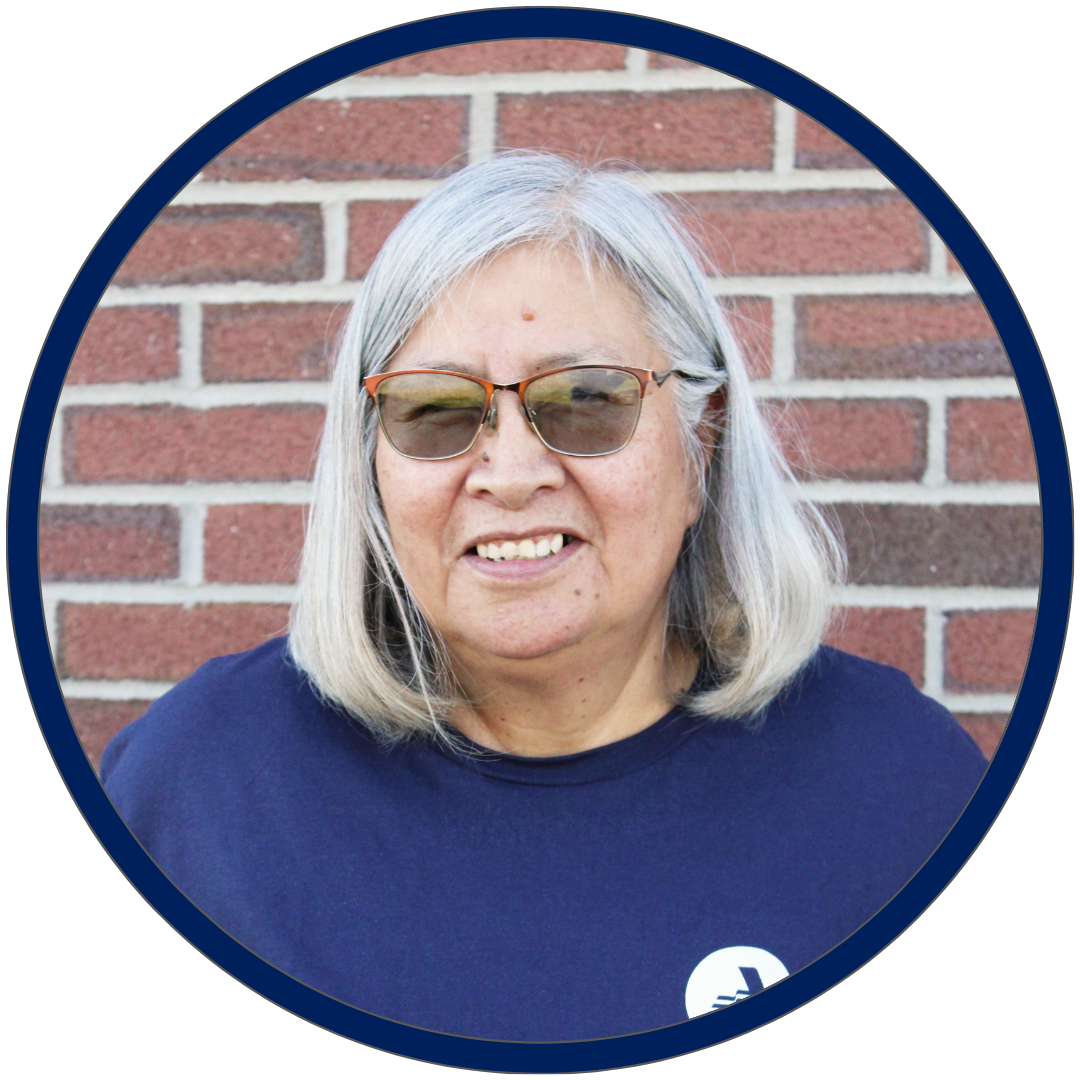
Donna Howe
Serving with Messengers for Health
My name is Donna Ridesatthedoor-Howe, an enrolled member of the Blackfeet Nation in Browning, Montana. I graduated from Montana State University with a degree in Home Economics Education and spent many years serving communities across Montana as a Family and Consumer Sciences teacher. Later I continued my commitment to community connection and service as a Public Services Librarian in Hardin, Montana. As a second year Community Health Corps Montana member serving with Messengers for Health, I ensure cancer and dialysis patients, as well as elderly, can reliably access medical appointments and treatments through the transportation program. My commitment to service reflects the values of community, respect, and support that guide my service at Messengers for Health.
donna@messengersforhealth.org
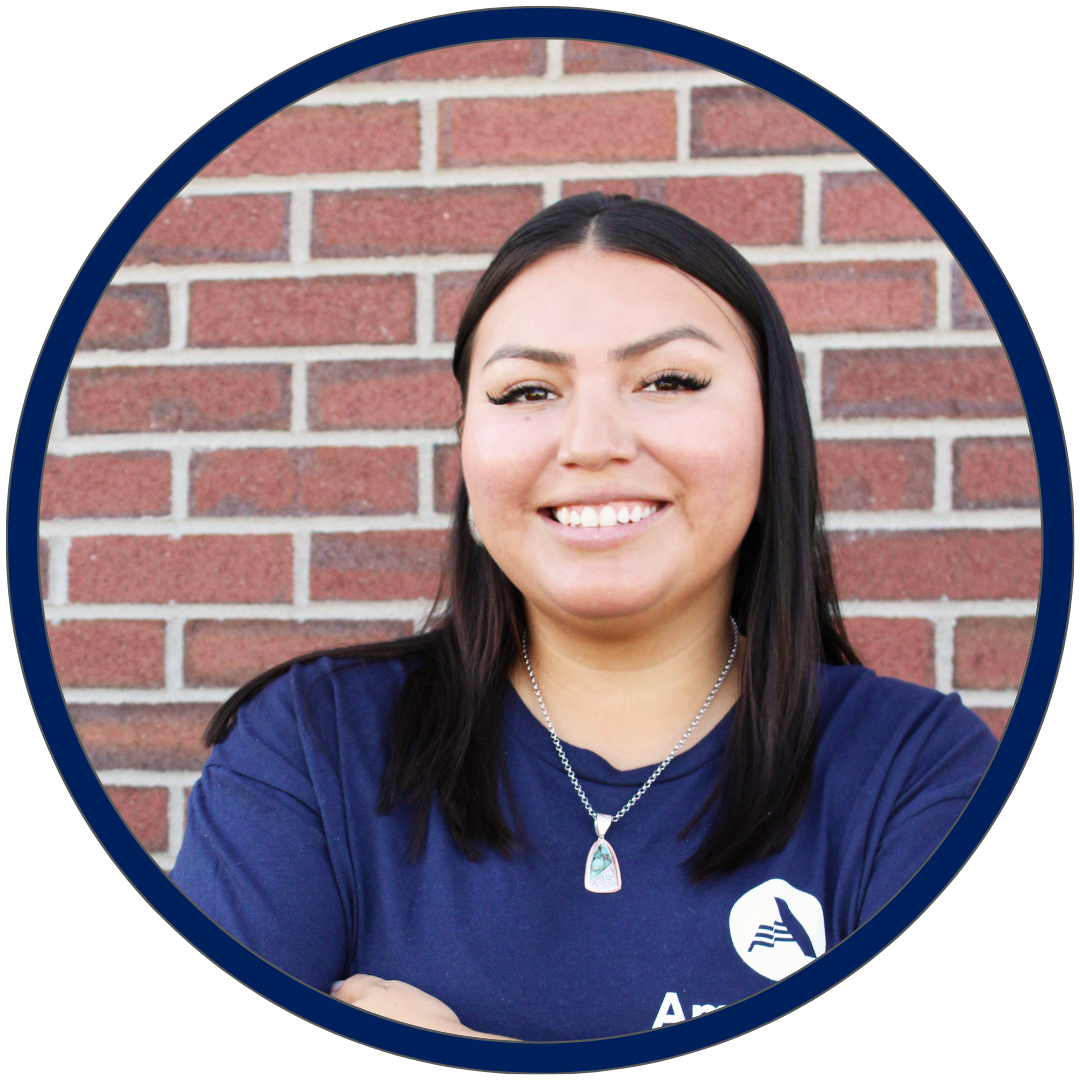
Mashaya Alden
Serving with Messengers for Health
I am a member of the Apsaalooke (Crow) Nation, we are located in South Eastern Montana.
I'm a mom to my one year old son. I love my people and my culture. I’ve always had
a passion for caring, helping, and guiding others. I’ll be graduating with my associates
in Human Services and plan to pursue my bachelors in Social Work. I’m serving with
Americorps because I plan and hope to make a positive impact in my community. I will
be providing my service at Messengers for Health in Crow Agency, MT. I am advocating
for our Apsaalooke elders and will mostly be helping the female elders understand
the new lifestyle we live in now. I hope to gain their trust and make sure they feel
safe in their own environment.
mashaya@messengersforhealth.org
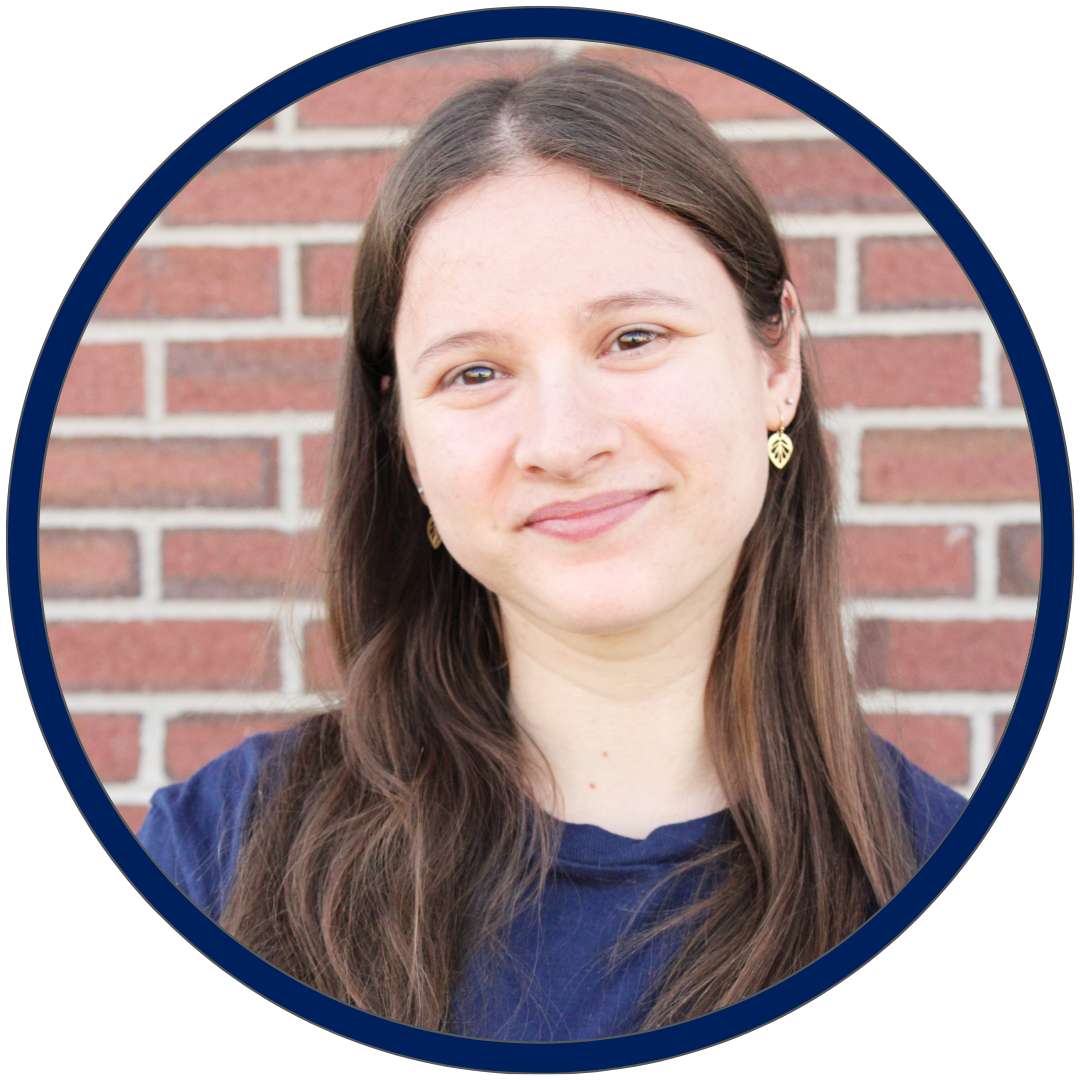
Bella Mulder
Serving with: Montana Office of Rural Health & Area Health Education Center
Growing up in Three Forks, MT, I have always had a passion for rural health. I recently graduated from MSU with a degree in microbiology and plan to attend medical school before returning to Montana as a pediatrician. I’m serving because I want to make a meaningful difference in rural Montana and help strengthen the health of the people in the communities I call home. My service focuses on increasing the impact of Community Health Corps Montana through partnership building, expanding program capacity, and supporting the program’s long-term sustainability.
isabella.mulder@montana.edu
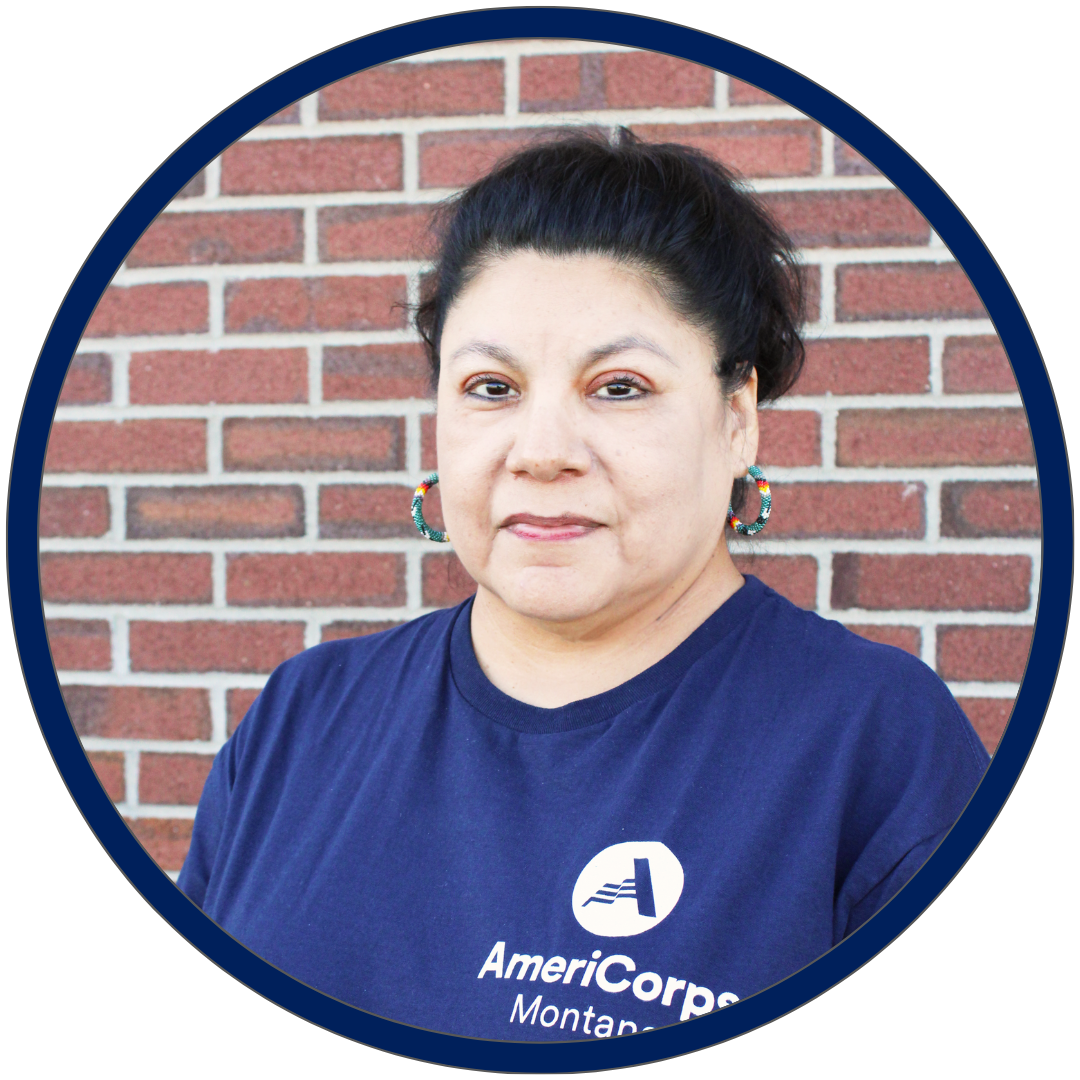
Janene Padilla
Serving with Salish Kootenai College -- Health Promotion Practices Department
My name is Janene Padilla. I am a graduate student pursuing a Master’s in Social Work and currently serve with AmeriCorps through Community Health Corps Montana in the Salish Kootenai College (SKC) Public Health Department. My educational background includes psychology and chemical dependency counseling. I am passionate about helping individuals and communities connect with resources and opportunities that promote health and well-being. I chose to serve because I want to give back to my community while gaining meaningful experience in public health and community outreach. My service focuses on promoting SKC’s Public Health programs, connecting with prospective students and community partners, sharing scholarship and student resources, and increasing awareness of educational and career opportunities in public health.
janene_padilla@skc.edu
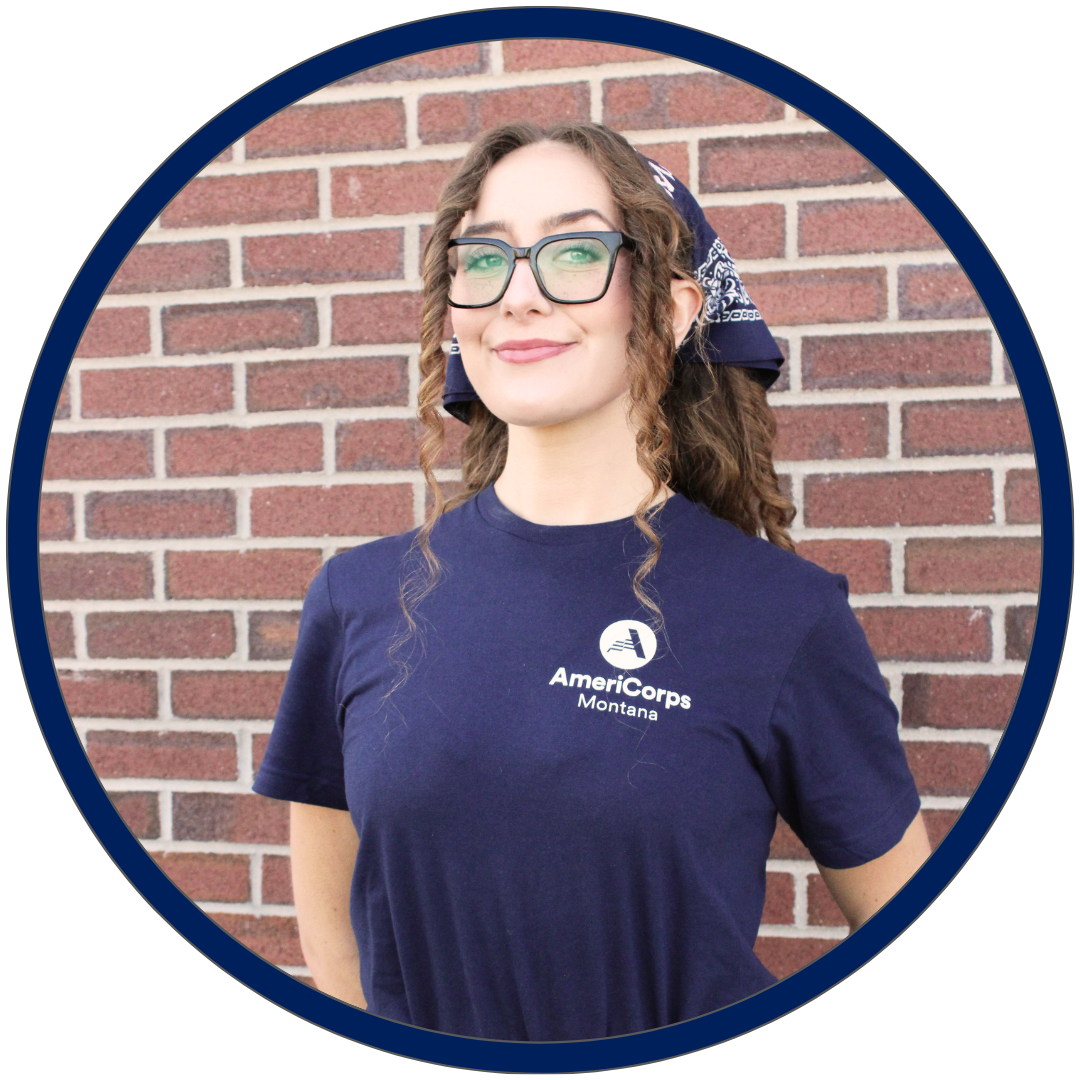
Veda Sowder
Serving with Confederated Salish and Kootenai Tribes Food Sovereignty Program
Veda.Sowder@cskt.org
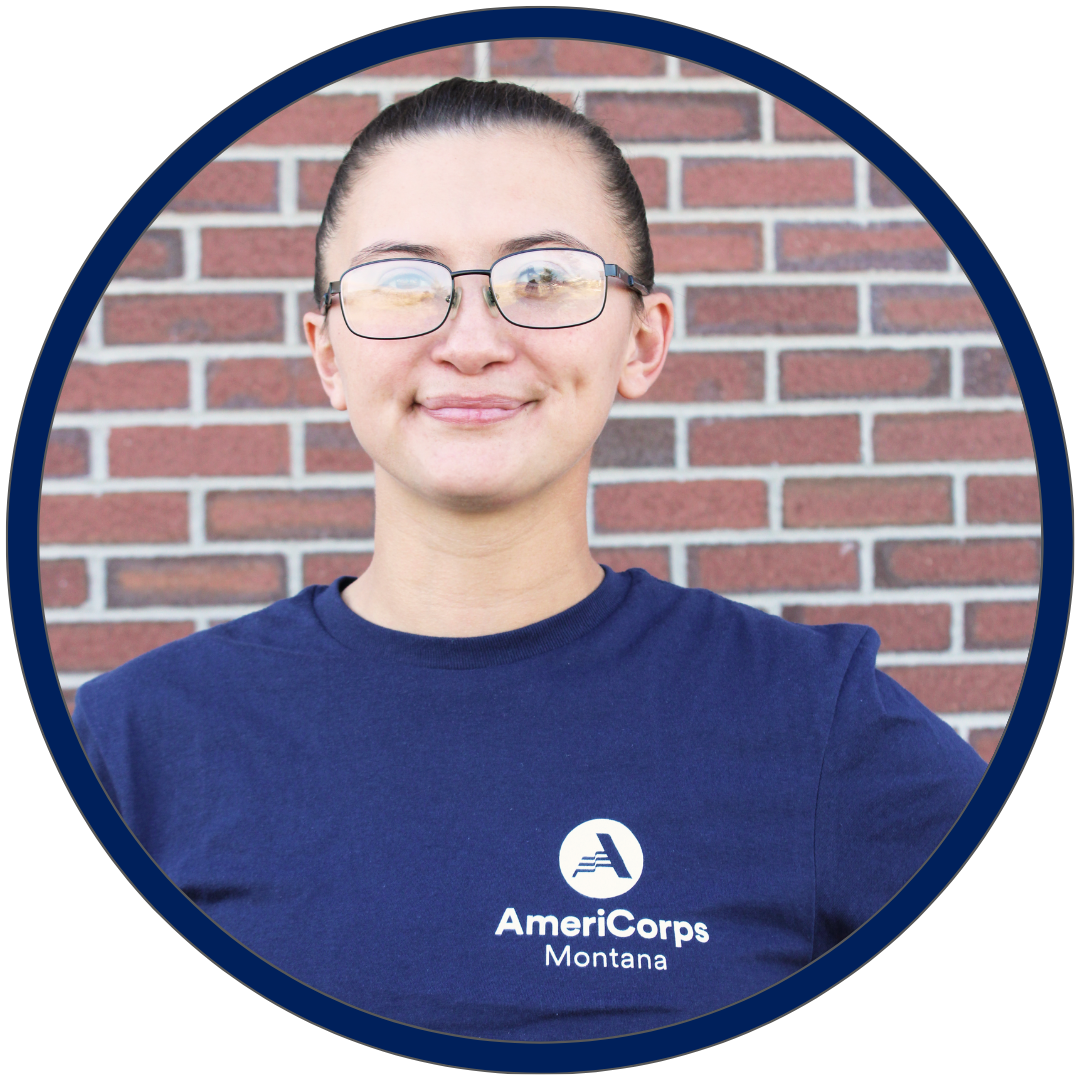
Samy McNair
Serving with Confederated Salish and Kootenai Tribes Food Sovereignty Program
Samantha.McNair@cskt.org
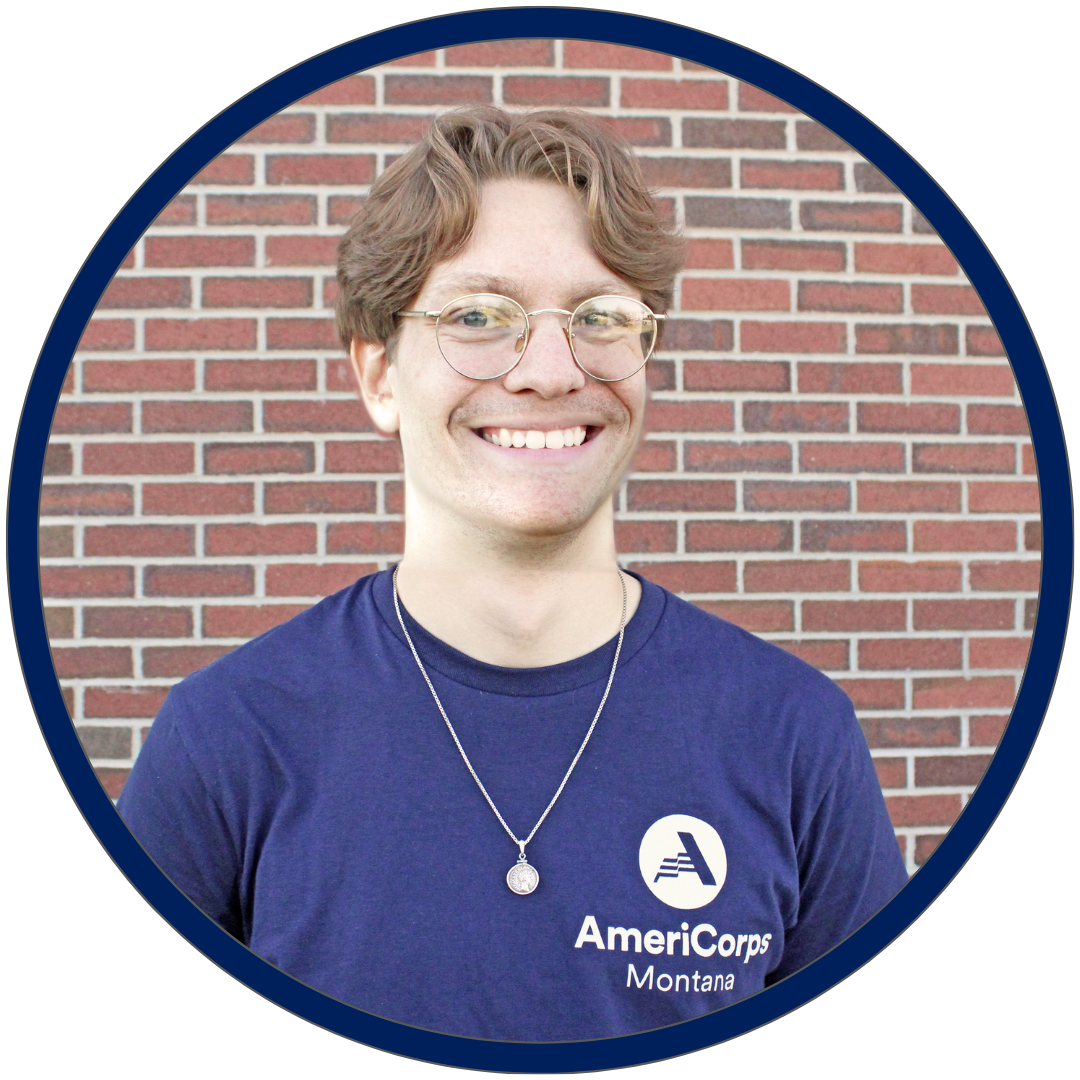
Connor Knobel
Serving with Recovery Friendly Montana
I am a graduate of the University of Montana with a degree in Classics. AmeriCorps has given me the opportunity to dedicate my time to the community I love and the state I call home. I serve in Missoula with Recovery Friendly Montana (RMFT), a non-profit which provides education, resources, and training to employers and employees. Recovery Friendly hopes to reduce the stigma surrounding substance use disorders, and help Montanans during their recovery journey. My service will increase RFMT’s ability to designate new businesses, create Montana-specific toolkits for employers, and bolster RFMT’s commitment to a more supportive and open workplace.
connor@recoveryfriendlymt.org
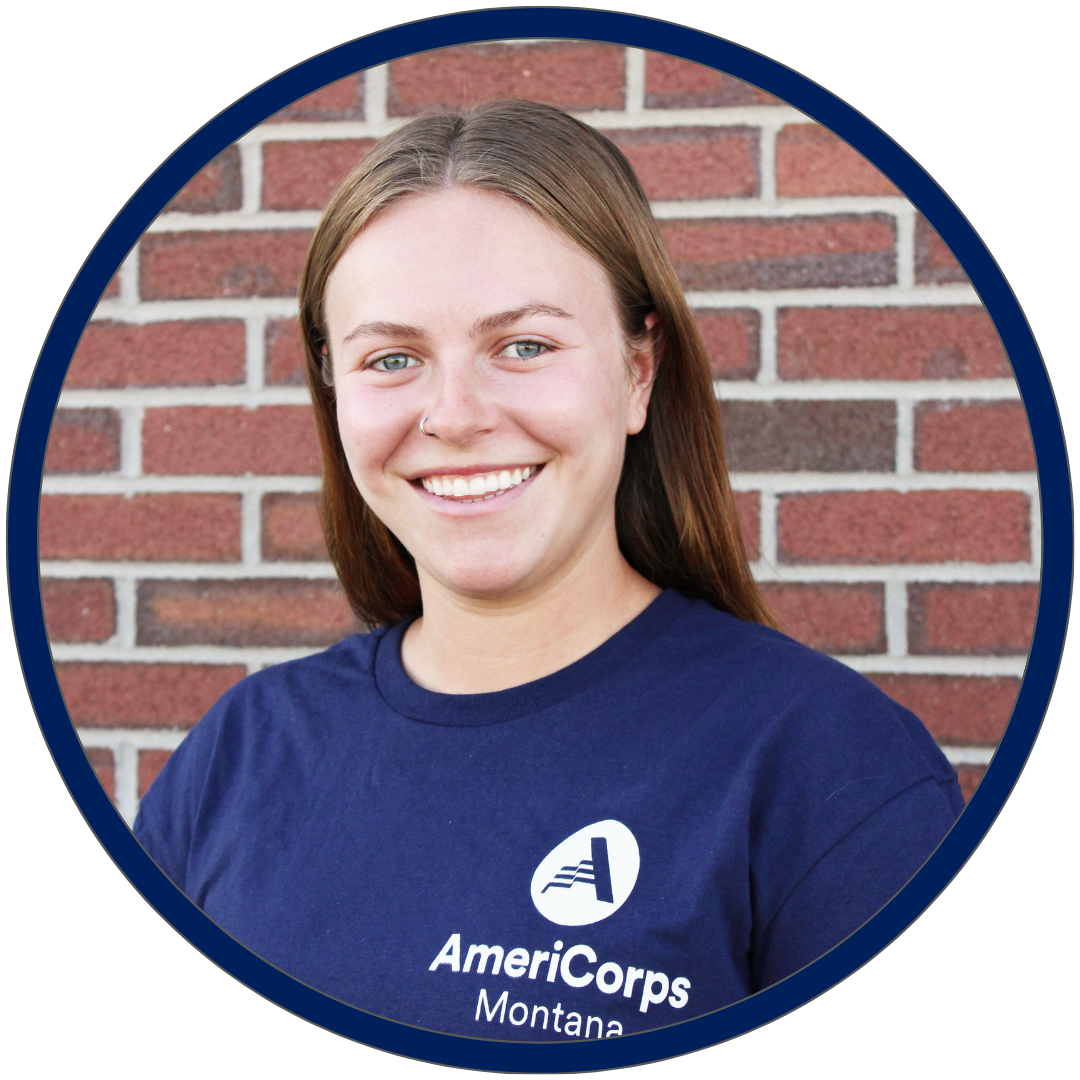
Christina Hering
Serving with: Sidney Health Center
I am serving in the chronic care management program at Sidney Health Center. My role is focused on connecting individuals with chronic health conditions with preventative care. I am passionate about finding effective ways to serve individuals and communities, and I chose AmeriCorps to learn more about the needs of rural health programs. I plan to attend graduate school in Montana for occupational therapy. In my free time, I enjoy many hobbies including hiking, biking, swimming, skiing, reading, and arts and crafts.
Christina.Hering@sidneyhealth.org

Gavin Young
Serving with: Western Montana Area Health Education Center & Missoula Public Health
Hello! I'm Gavin Young. I'm completing my service term with Missoula Public Health (MPH) and Western Montana Area Health Education Center (WMT-AHEC). I grew up in Pennsylvania, about an hour north of Philadelphia, and moved to Montana in 2022 to pursue my undergraduate degree. I graduated with a bachelor's degree in Psychology and plan to begin a Master's in Social Work program next fall. Before joining MPH and WMT-AHEC, I worked in a variety of behavioral health settings while completing my studies. My primary project is helping establish and promote Mental Health First Aid (MHFA) programming throughout Missoula County. I believe MHFA is especially impactful because it equips everyday community members with practical tools and clear steps to support someone experiencing a mental health challenge or crisis.
gyoung@missoulacounty.us
The 2026-2027 CHCM cohort brings together recent graduates, career changers, and community-rooted leaders. Some arrived with public health training. Others with communications, social work, education, or lived experience in rural or tribal communities. Together, they are strengthening Montana’s health systems from the ground up.
Questions?
For more information about Community Health Corps Montana, please contact:
Angela Davis
angela.davis9@montana.edu
406-994-2984